For over a century, Tezpur Mahila Samiti has uplifted women and communities in Tezpur and across Assam—creating leaders, weaving traditions into livelihoods, and building a future rooted in dignity and equality.


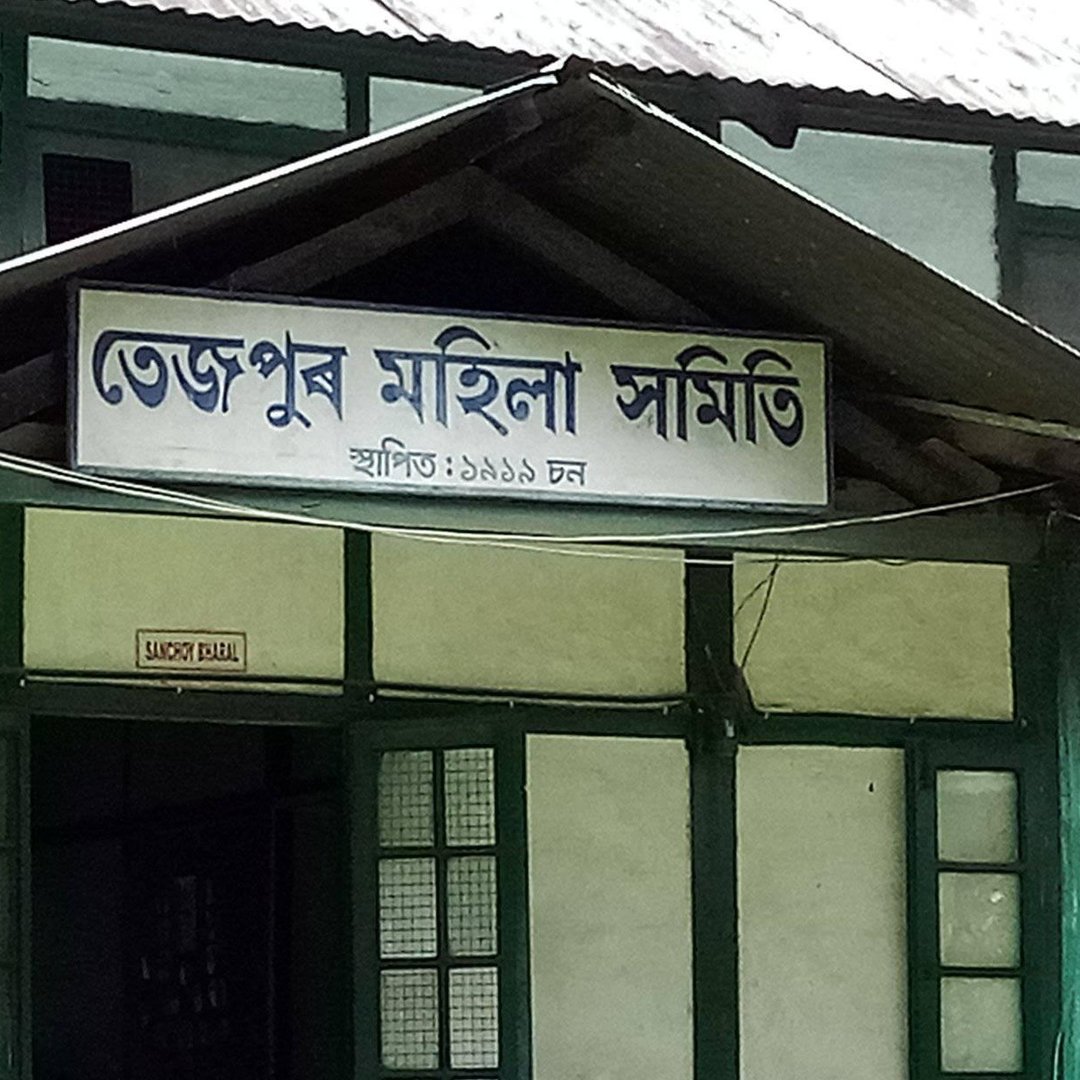
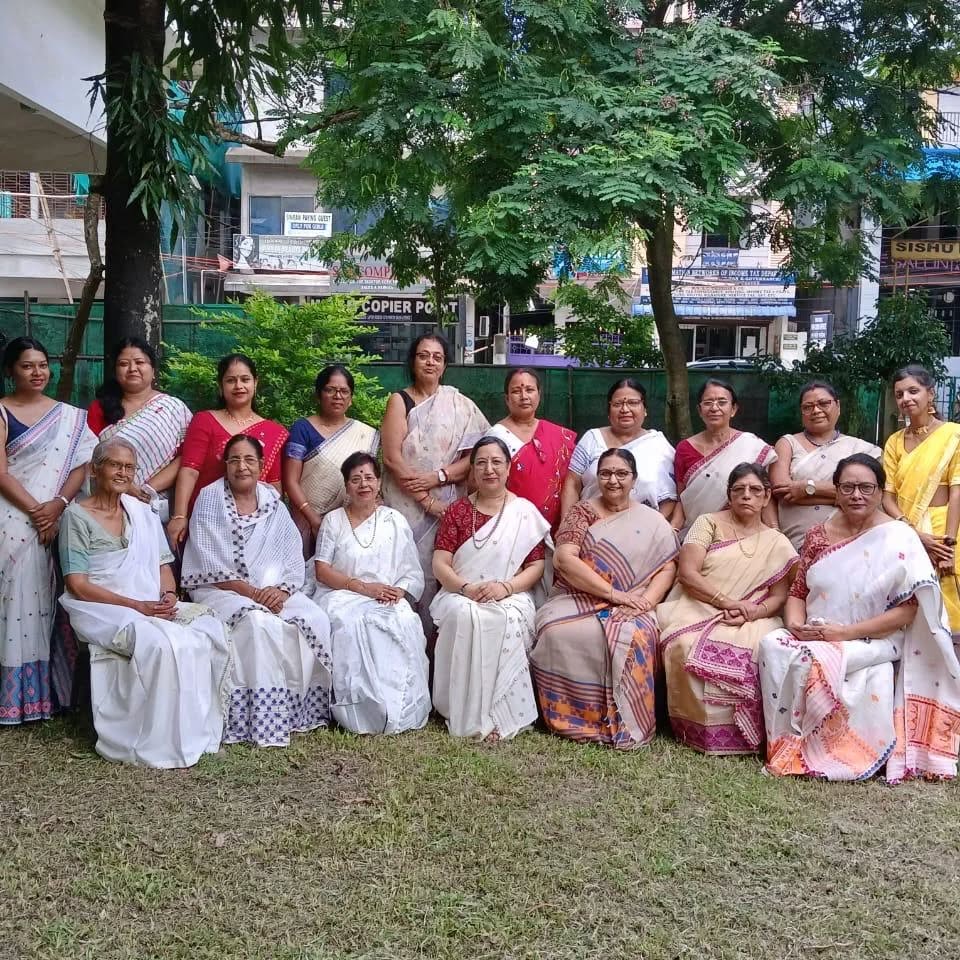
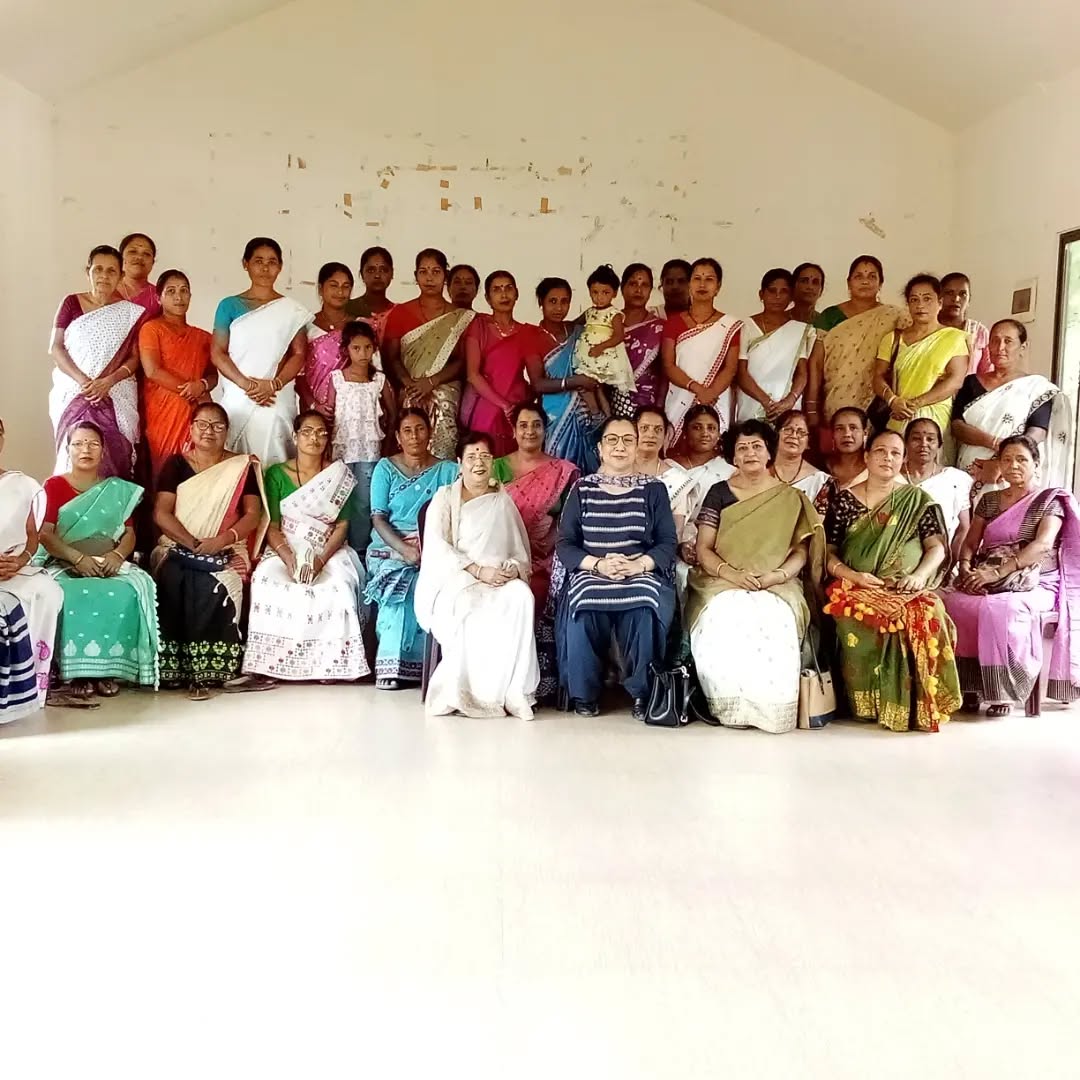
For over a century, Tezpur Mahila Samiti (TMS) has stood as a beacon of women’s empowerment and community development in Assam. Founded in 1919 by pioneers like Chandraprabha Saikiani and Kironmoyee Agarwala, our movement has evolved into a vibrant federation of nearly 100 rural and tribal women’s groups—uniting over 10,000 members.
From education and healthcare to livelihood training, legal aid, and cultural preservation, TMS continues to inspire resilience and transformation across Northeast India.


We conduct literacy and awareness programs aimed at educating women and girls, helping them become active participants in social and civic life. Through vocational training, communication skills development, and basic digital literacy, we aim to create self-sufficient and confident leaders at the grassroots.
Our training centres teach tailoring, handloom weaving, computer literacy, and English communication. Through these programs, women gain access to sustainable income opportunities and pathways to financial independence.
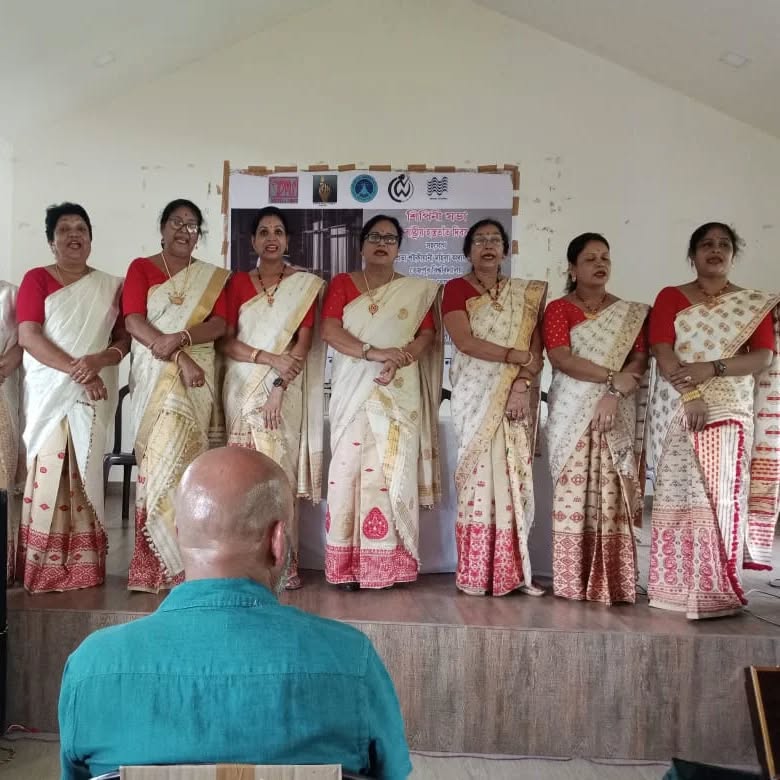
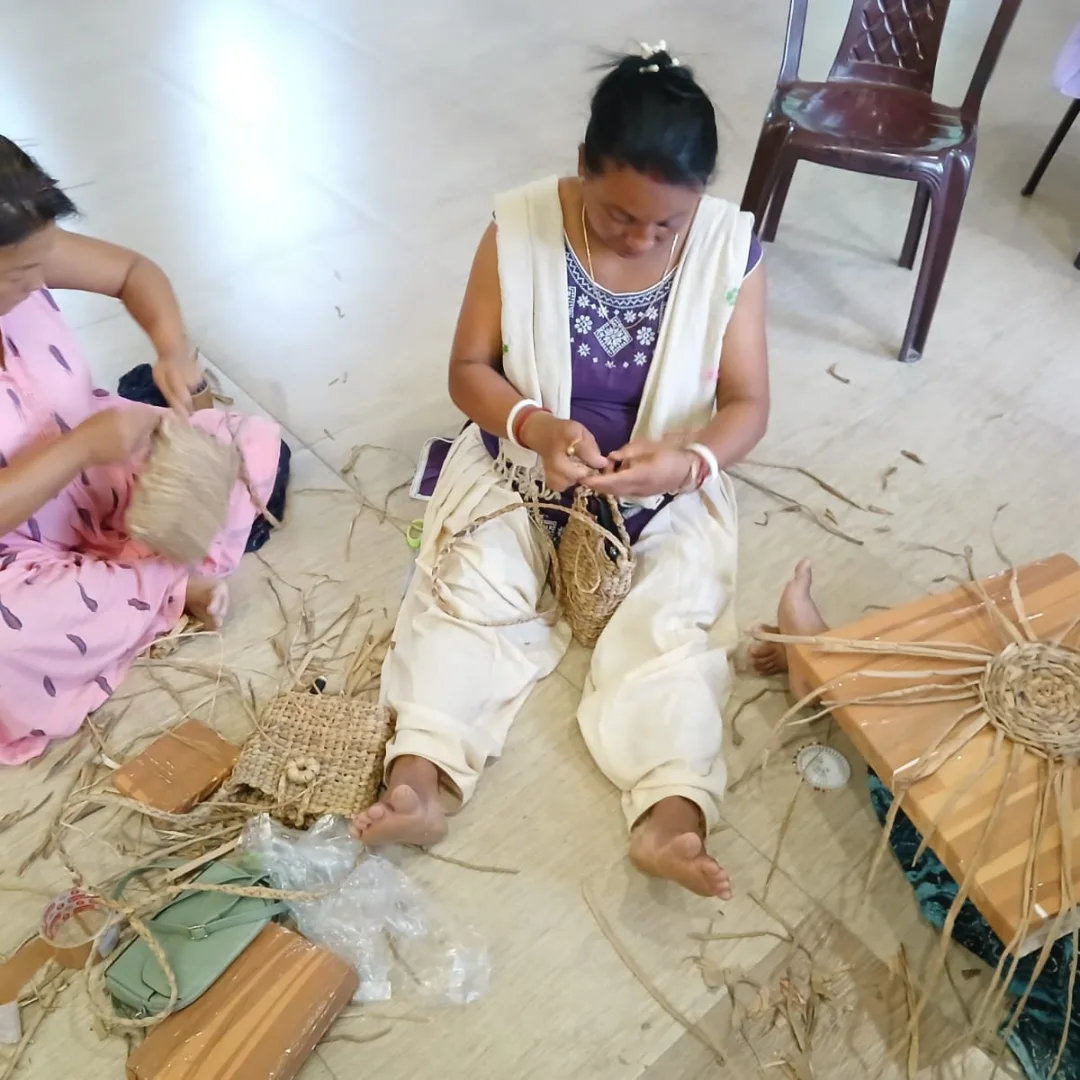
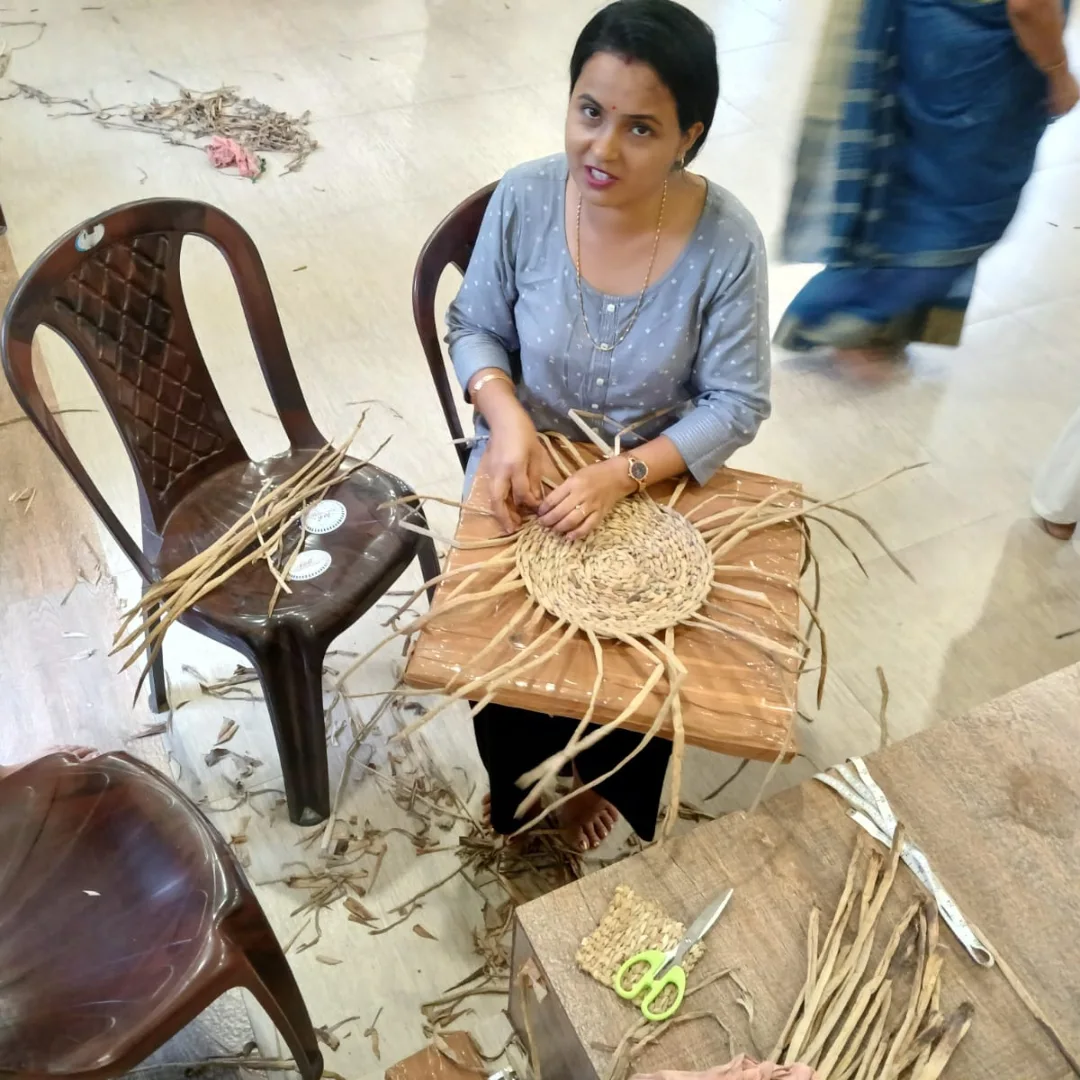
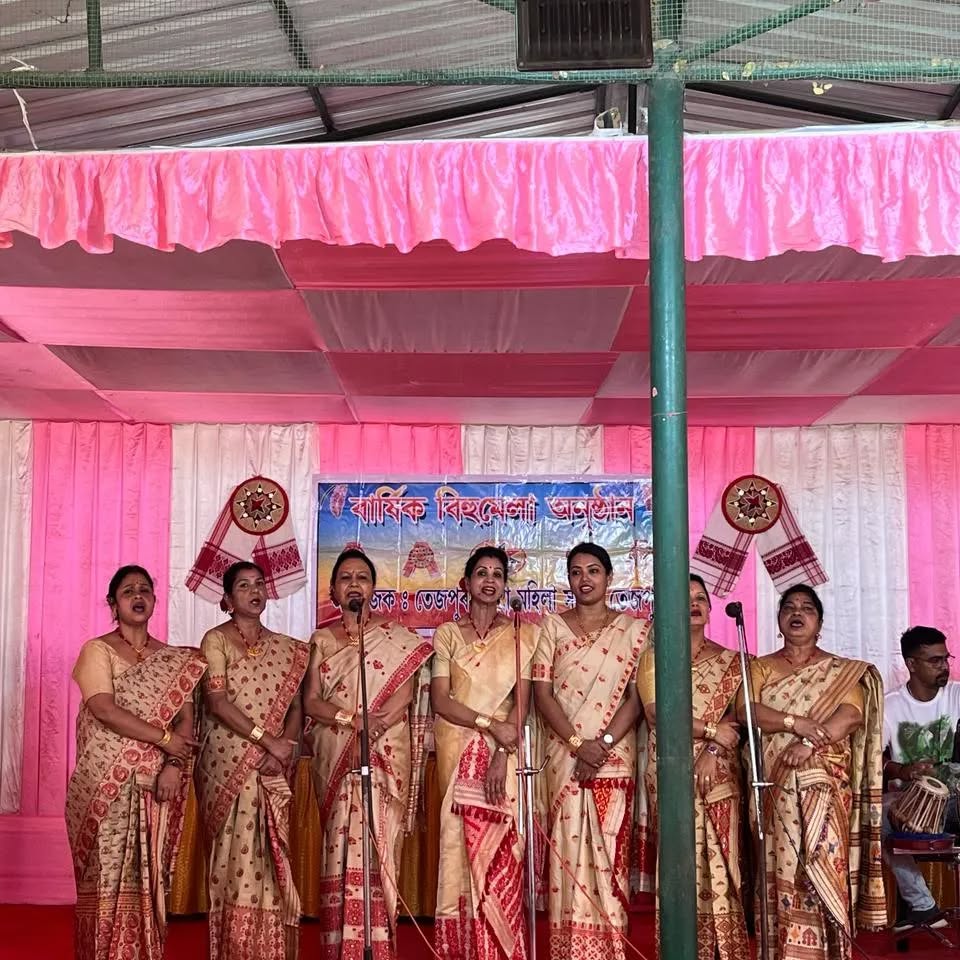
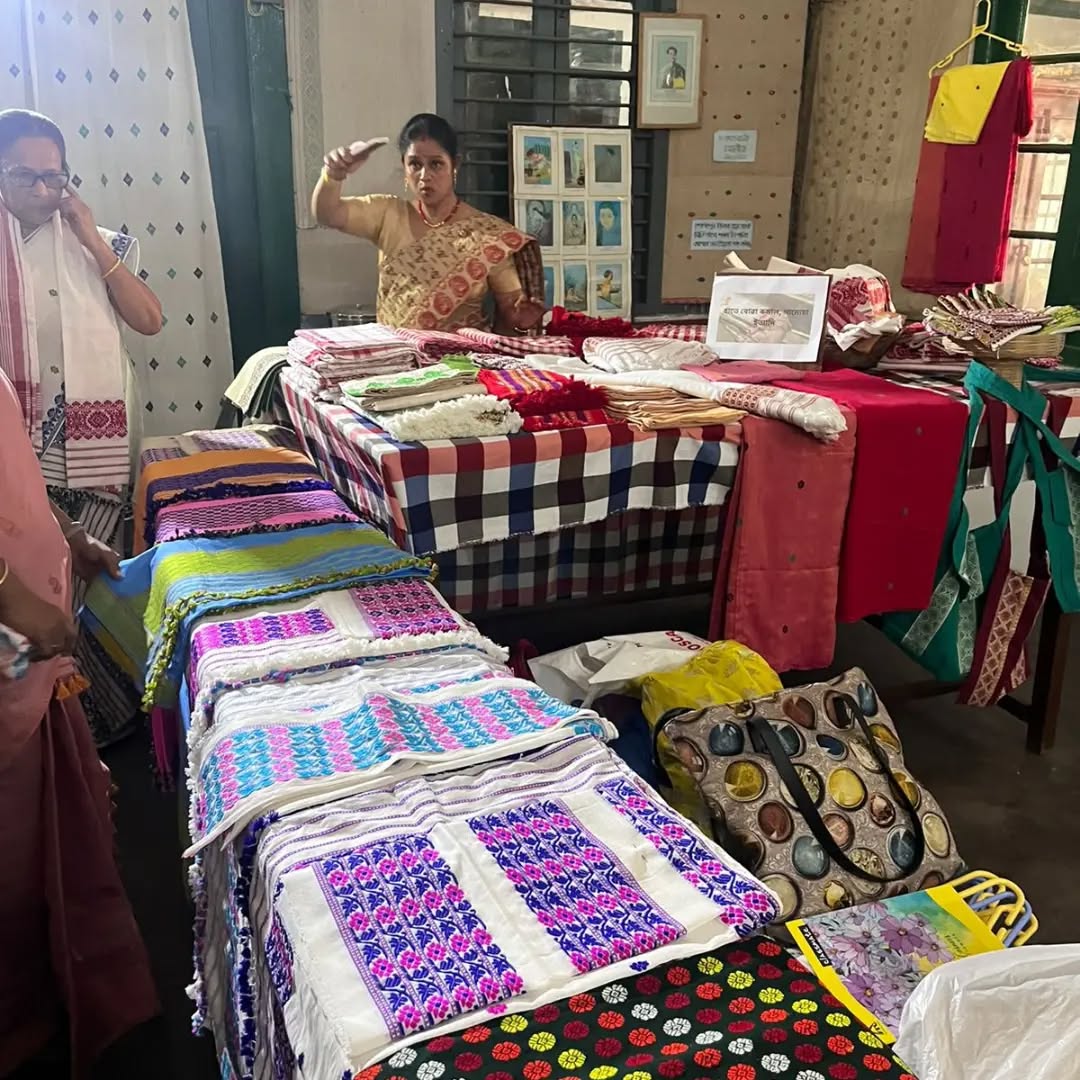
From traditional Assamese textiles like Mekhela Chador and Gamusa to bamboo and cane crafts, we celebrate and sustain indigenous knowledge systems. Regular exhibitions, workshops, and public events help pass on these art forms while generating livelihood for women artisans.
Our Legal Aid Centre provides free counselling, mediation, and legal education to women facing domestic violence and other forms of abuse. We conduct rights-based workshops and collaborate with legal bodies to ensure access to justice for marginalised women.
Through initiatives like our Reduce, Reuse, Recycle (RRR) Centre, we are encouraging a culture of conscious consumption, where community members donate reusable items for redistribution. This endeavour supports families in need and also promotes environmental sustainability.
We promote wellness through health camps, maternal care, and nutrition programs, ensuring healthier futures for women and children.

1. Mekhela chador, gamusa, stoles, shawls, masks, and home textiles (curtains,
cushion covers, etc.)
2. Crafted using traditional Assamese weaving techniques and natural fibers like eri, paat, and muga silk
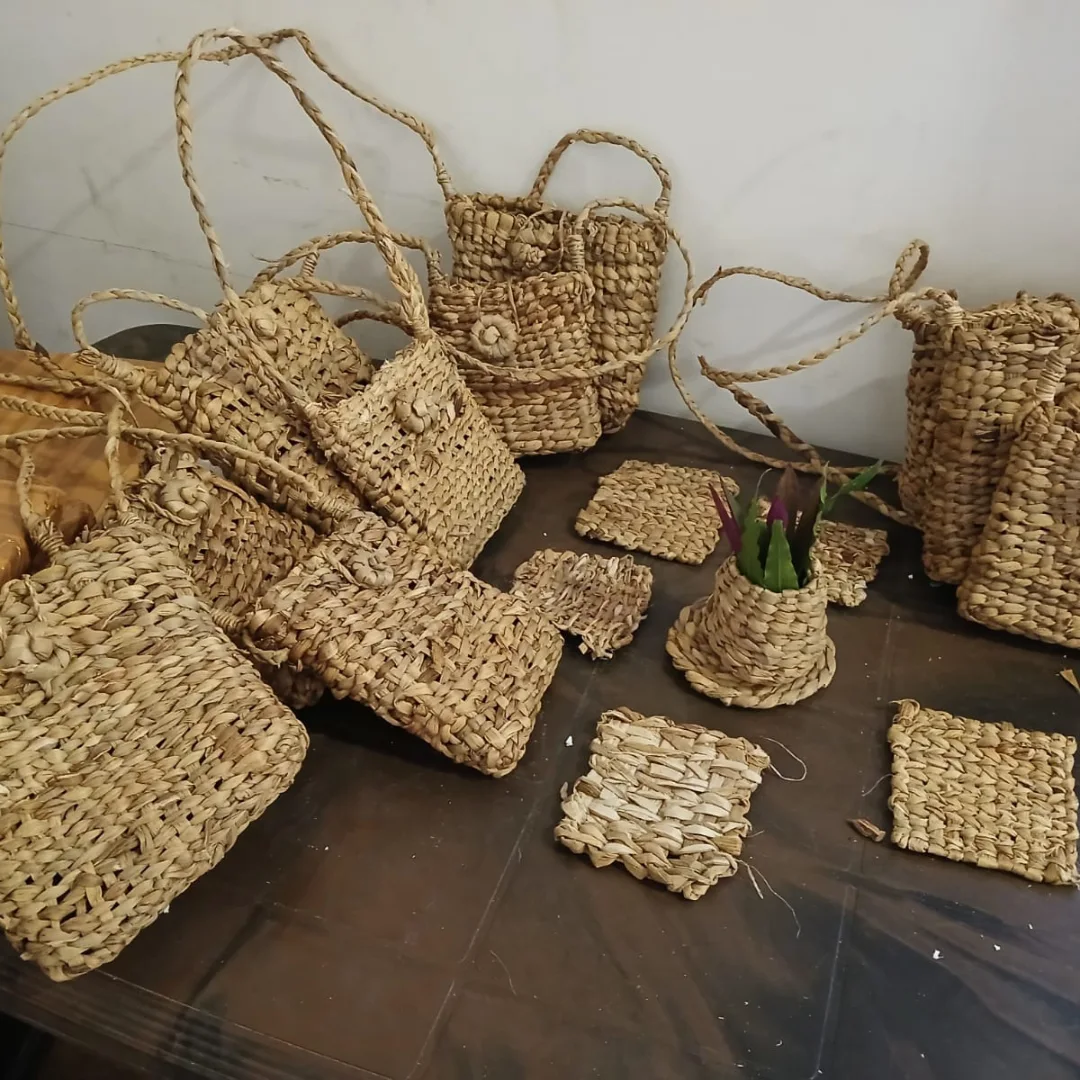
1. Bamboo and cane baskets, mats, wall hangings
2. Handmade jewellery from terracotta, beads, bamboo, and other natural materials
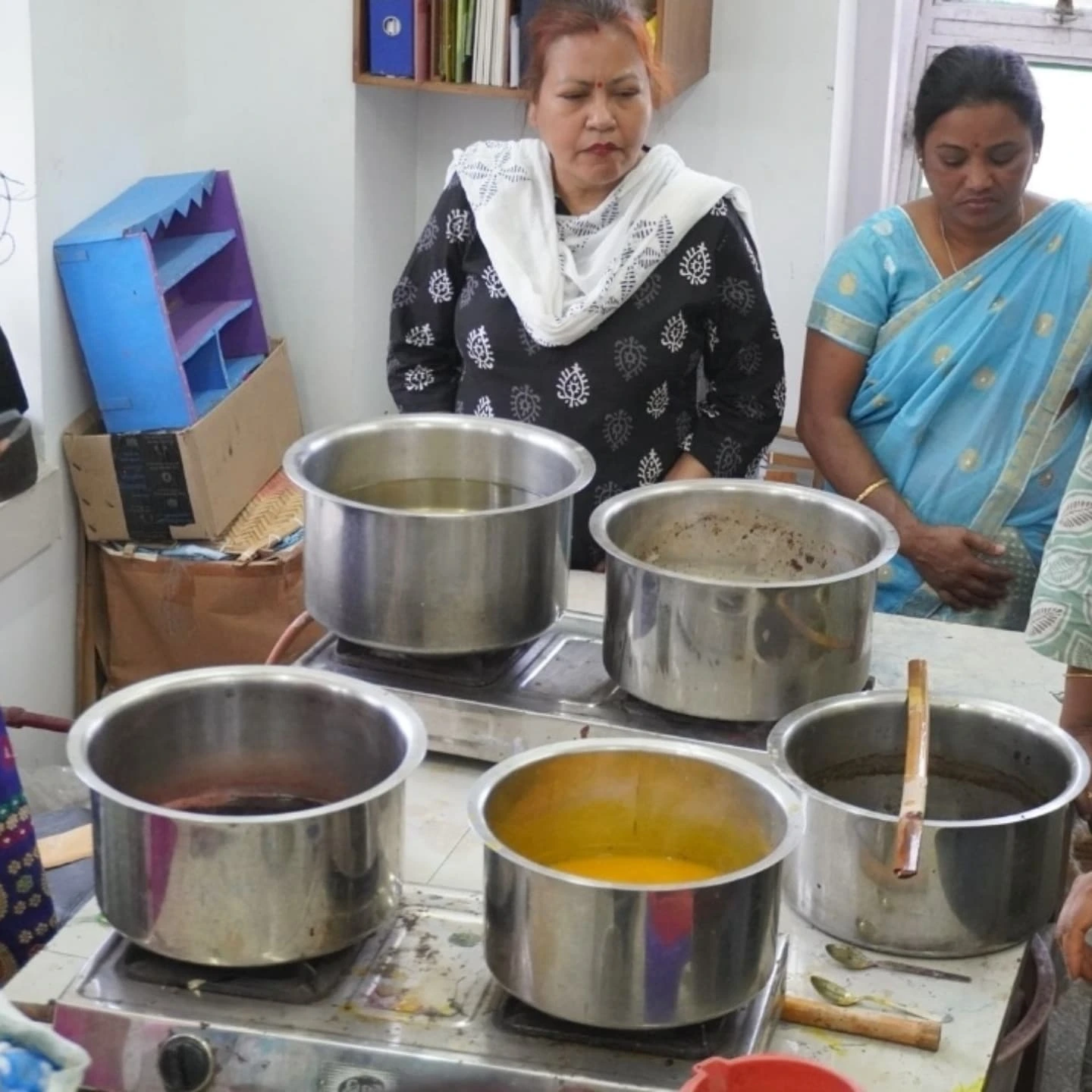
1. Traditional Assamese pickles, snacks, rice-based items, and seasonal sweets made with local ingredients
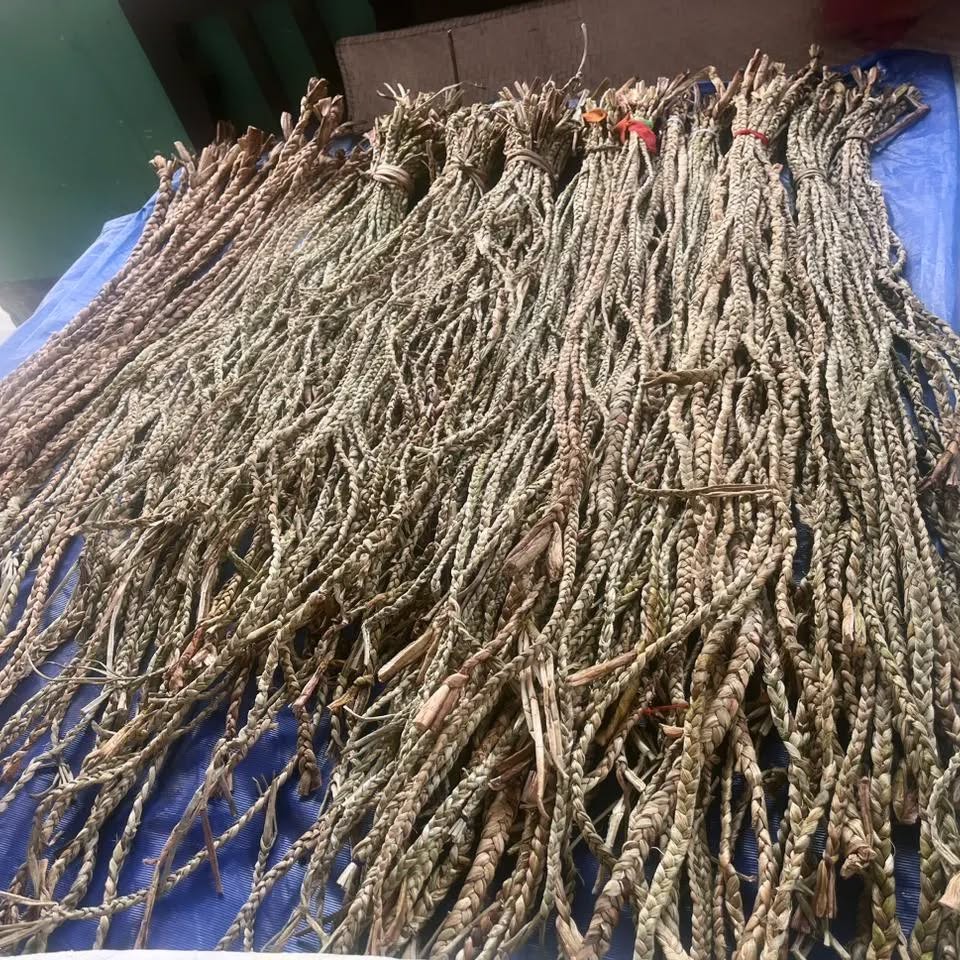
1. Jute and cotton bags that are biodegradable and support alternatives to plastic

Collaborating with partners to empower women, drive change, and build stronger communities.
Your donation empowers women and transforms communities for a brighter future.
Tezpur Mahila Samiti
Founded in 1919, the Tezpur Mahila Samiti (TMS) is one of the oldest and most
respected women-led organisations in Northeast India. Based in Tezpur, Assam, our
mission is rooted in the belief that empowering women is key to building resilient
communities. With over a century of tireless service, TMS has championed gender
equality, education, cultural preservation, economic independence, and social
justice.
At a time when women’s voices were systematically marginalised, pioneers like
Chandraprabha Saikiani and Kironmoyee Agarwala came together to form the
Samiti—envisioning a platform for women to organise, advocate, and act. Since then,
the Samiti has grown under the stewardship of several visionary leaders, including
Maheshwari Devi, Tarini Devi, Swarnaprabha Mahanta, Borola Kumari Dutta,
Chandrabala Baru, Meena Agarwala, and Hemlata Barua.
Tezpur District Mahila Samiti
In 1947, the organisation expanded to become the Tezpur District Mahila Samiti,
adopting a federation model to unify nearly 100 rural and tribal women’s collectives
(primary samitis) under one umbrella. This expansion enabled us to serve the entire
district more effectively while preserving grassroots leadership and local agency.
Together, we work to uplift women through education, skill-building, legal awareness,
cultural advocacy, and community engagement. Our work spans urban and rural
landscapes, tribal and non-tribal communities—uniting diverse voices around a shared
vision of dignity, justice, and opportunity for all women.